
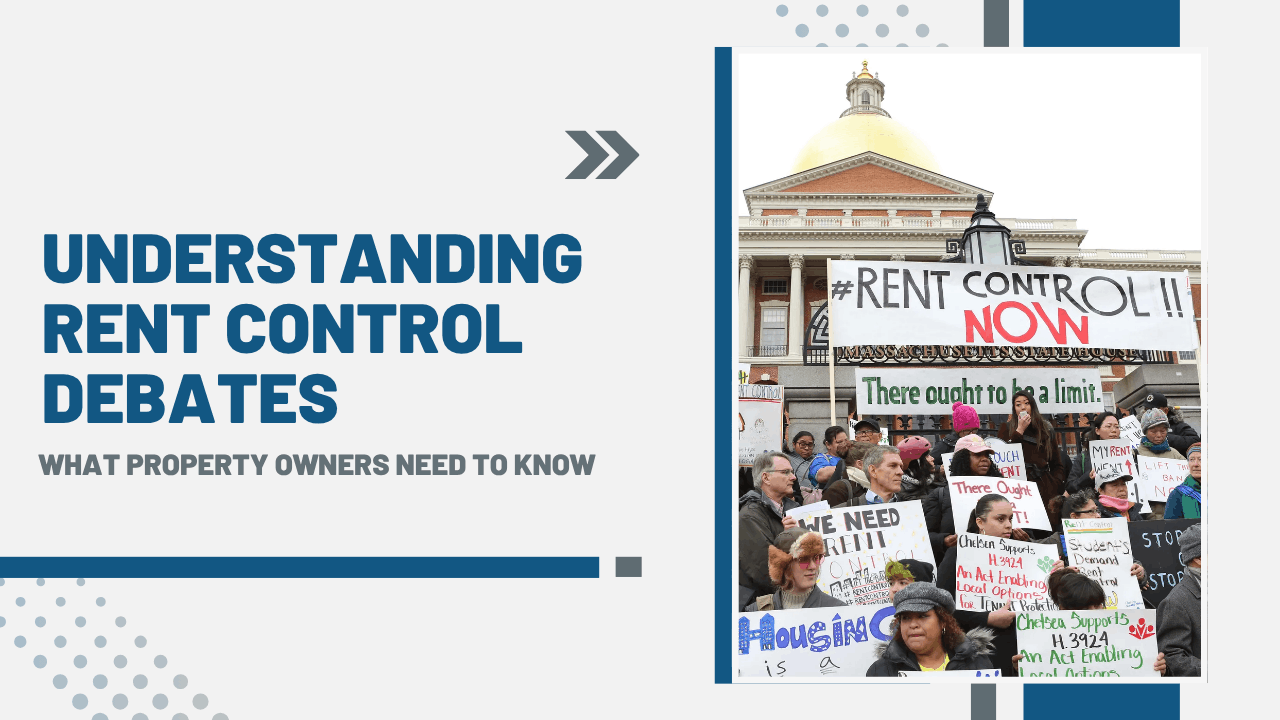
Wondering about whether rent control will make its way to Chicago?
Right now, it’s illegal. The Illinois law preventing rent control in the state is called the Rent Control Preemption Act, and it disallows cities, including Chicago, from enacting rent control ordinances. Landlords here are free to raise rent by any amount, with proper notice.
It’s hard to ignore that affordability is a real issue right now, however, and the costs of housing are on the minds of people all over Chicago, including elected officials. There’s a conversation happening around rent control, and we want to make sure rental property owners understand the debate.
Paragon’s Overview:
|
What We Have Now: Chicago’s Fair Notice Ordinance
Even while rent control is prohibited, Chicago still has other tenant protections that go beyond the state laws. For example, the Fair Notice Ordinance mandates how much notice landlords must give for rent increases based on tenancy length. The basics are this:
Tenants who have lived in your property for more than six months but less than three years must get at least 60 days' notice when the rent is going to increase.
Tenants who have lived in a Chicago rental home for more than three years are entitled to 120 days' notice when rent is increasing.
The Chicago Residential Landlord and Tenant Ordinance includes other tenant protections, including a tenant’s right to withhold a portion of rent when necessary repairs are not made by the landlord and protection against retaliatory evictions.
Repealing the Rent Control Ban
Tenant advocacy groups have been working towards a repeal of the rent control ban, which would not necessarily bring rent control to all of Illinois, but would allow specific cities, such as Chicago, to implement their own laws controlling the amount that rent could increase annually.
The Illinois legislature has taken up the issue of repealing the Rent Control Preemption Act several times over the last few years, but it has not gained much traction. In February of this year (2025), a bill was again introduced that would allow local governments to hold a referendum allowing them to opt out of the statewide rent control ban.
The bill introduces the Let the People Lift the Ban Act. It includes would amend the Rent Control Preemption Act, providing that a local government would have the power to enact, maintain, or enforce an ordinance or resolution that would control the amount of rent charged for leasing private residential or commercial property, as long as the voters in a local jurisdiction approved a referendum allowing rent control.
Why is there a renewed push? Here are some of the reasons that are most easily identified:
Rent increases in Chicago are continuing to outpace income growth. Everything has become more expensive over the last two years, and housing is not exempt.
Limited rental inventory, especially in desirable neighborhoods. New construction developers are creating buildings and communities with higher rents in mind. The lack of affordable housing inventory is causing problems for lower and even middle-income renters.
Population. More than 55% of Chicago residents are renters. There’s plenty of demand for rental housing, which is pushing prices up across the city.
Displacement of long-term tenants and impacts on marginalized communities. Many tenants are finding themselves having to leave rental homes that they’ve lived in for years because of an increase that can be hundreds of dollars every month.
Coalitions and advocacy groups such as “Lift the Ban” are gaining traction in convincing tenants that rent control is in their best interest.
Key Propositions in the Rent Control Debate
There isn’t any finalized legislation that’s been passed or signed into law, so rent control is still illegal in Chicago. However, there are some specific tenant-rights bills that have been introduced in recent years and that we expect will continue to show up as this issue gains attention and support. These proposed ideas all have caps on rent increases included, as well as additional renter protections.
The Tenant Protection Act is a perfect example. This proposed bill wants to cap annual rent increases at 5% or the rate of inflation, whichever is lower. It wants to limit excessive late fees and restrict certain pass-through charges. The bill would also require longer notice periods for rent increases or lease changes. This bill did not ultimately pass once it was proposed, but we see this as a preview of things to come. Advocacy groups and rent control-friendly legislators will likely continue to push for this type of regulation.
If any future laws are passed, they will likely introduce rent caps that land at 3% to 5% annually, stricter rules on fees and deposits. We are watching the push towards caps on late fees and the potential to ban certain move-in fees.
Until such a law clears the General Assembly, Chicago landlords and rental property owners do not need to worry about rent control. But vigilance is important. You don’t want to be surprised when it suddenly passes.
Rent Control in Chicago: Pros and Cons
It’s easy to shrug off the threat of rent control but it could have real impacts, including tighter profit margins for investors and owners, new compliance and regulatory complexity, and more legal risk. Where does the messaging fall in the rent control debates?
Arguments in Favor of Chicago Rent Control
We know why tenants would approve of rent control. They want less of a jump in what they pay for rent year after year. But is there any reason that owners and investors might be in favor of rent control laws? We have thought about it, and potentially the upside of rent control might include:Predictable Tenancies and Lower Turnover
One advantage for property owners under rent control is tenant stability. When rents increase gradually and predictably, residents are far more likely to stay long-term. Lower turnover means fewer vacancy periods, reduced marketing costs, and less time spent screening new applicants. Over time, this stability can lead to a more consistent income stream and better relationships with tenants.Potential for Reduced Competition
If rent control discourages new investors or reduces speculative property flipping, current owners might face less competition in the rental market. Properties that remain well-maintained and properly managed could stand out even more, helping established landlords maintain strong demand without constantly battling new high-end developments.Community Stability Can Strengthen Neighborhood Appeal
Neighborhoods with long-term residents can develop a stronger sense of community. That stability can make areas more desirable over time, which may elevate property values in the long run. A well-maintained building in a cohesive neighborhood often commands steady demand, something every property owner values.
Arguments Against Chicago Rent Control
But really, rent control limits what you can earn on your Chicago investment property, right? Here’s why we believe rent control in Chicago is a bad idea, and what the debates around this issue really need to focus on from the perspective of owners and property investors:Restrictions on Rent Increases Limit Profitability
The most direct drawback is that rent control caps your ability to raise rents based on market conditions. In a city like Chicago, where property taxes, utilities, maintenance costs, and insurance premiums continue to climb, limited rent growth may make it harder to keep cash flow healthy. This can be particularly difficult for small landlords who rely on rental income to cover rising operating expenses.Reduced Incentive to Renovate or Improve Units
Rent control can make it harder to recoup the cost of renovations. If rent increases are restricted, investing in major upgrades such as new kitchens, updated windows, energy-efficient systems, may simply not pay off. Over time, this can lead to deferred maintenance, aging buildings, and lower property values across the city.Increased Regulatory Burden
Rent control usually comes with additional administrative requirements: strict notice periods, documentation of rent histories, reporting obligations, and potential penalties for mistakes. Smaller property owners may find these rules time-consuming and costly. Compliance is essential, but the added bureaucracy can be a significant headache.
What’s Next in Chicago?
 While rent control remains only a potential problem and not something that needs an immediate response today, we’re asking Chicago landlords and rental property owners to take steps now to strengthen their position for the future. You’ll want to review your leases for compliance with existing ordinances and potential changes. It’s important to keep tenants informed of any updates to rent, policies, or responsibilities. Are you giving them enough notice when you raise the rent?
If you feel passionately about this issue, attend local housing forums or city council meetings.
We’re always conducting legal reviews of leases and systems to protect the properties we manage in Chicago. We’re also helping owners plan for financial moves in case of future regulatory changes
This is a complicated topic in Chicago’s rental market, and if you’d like to talk through your own ideas or hear some strategies for positioning your own investments for success, we would be happy to talk. Please contact us at Paragon Property Management Group.